Women often carry many responsibilities at the same time. A woman may be a professional, mother, daughter, partner, caregiver, friend, business owner, or all of these roles together. With so many responsibilities demanding attention, personal wellbeing can easily become something that gets postponed.
Reiki healing for women offers a gentle way to create intentional time for yourself. It is a complementary wellness practice traditionally associated with relaxation, quiet reflection, and a sense of inner balance. A Reiki session provides an opportunity to slow down, disconnect from everyday distractions, and focus on your own experience.
For women seeking a peaceful approach to self-care, Reiki can be incorporated into a broader lifestyle that includes rest, mindfulness, healthy routines, meaningful relationships, and professional support when needed.
What Is Reiki?
Reiki is a Japanese practice that involves a practitioner using gentle hand positions on or slightly above the body. Sessions are generally conducted in a calm and comfortable setting.
The practice is commonly explored as a relaxation and wellbeing experience. People may describe their sessions differently. Some may experience deep relaxation, while others may notice warmth, stillness, peacefulness, or simply enjoy having uninterrupted time away from their normal routine.
There is no requirement to have a particular experience for a Reiki session to be meaningful.
Reiki can be approached as an opportunity to pause and become more aware of yourself.
Why Self-Care Matters for Women
Women are often encouraged to care for everyone around them. Over time, this can create a habit of placing personal needs at the bottom of the list.
Self-care is sometimes misunderstood as something luxurious or optional. In reality, healthy self-care can simply mean paying attention to your physical, emotional, and personal needs.
It may look like getting enough rest, setting boundaries, taking a quiet walk, spending time with people who support you, practicing mindfulness, or making room for activities that help you reconnect with yourself.
Reiki healing for women can become one part of this process by giving you dedicated time where your attention is not focused on completing a task or taking care of someone else.
Reiki as a Pause From Everyday Pressure
Modern life can be mentally demanding.
Emails, messages, deadlines, family responsibilities, social commitments, household tasks, and constant notifications can make it difficult to experience genuine stillness.
A Reiki session creates a different type of environment. You are encouraged to slow down and remain comfortable while the session takes place.
For some women, this simple change can be valuable. Instead of moving quickly from one responsibility to another, there is a specific period reserved for quietness.
Reiki does not need to be complicated. Its appeal may come precisely from the simplicity of creating a calm space and giving yourself permission to stop for a while.
Reiki and Emotional Self-Awareness
Our emotions can be difficult to recognize when life becomes busy.
You may know that something feels different without having time to understand what you are experiencing. You may be carrying frustration, sadness, uncertainty, or emotional exhaustion while continuing with everyday responsibilities.
A quiet wellness practice such as Reiki can provide an opportunity for reflection.
Some women choose to journal after a session. Others prefer meditation, a quiet cup of tea, or simply a few minutes without screens or conversation.
The goal is not to force emotions away. Instead, the process can encourage a more mindful relationship with your inner experience.
Supporting Women Through Personal Change
Life does not remain the same.
Women may go through changes in relationships, work, family responsibilities, motherhood, personal identity, priorities, or lifestyle. Even positive changes can require emotional adjustment.
During periods of transition, creating regular moments for yourself can be helpful.
Reiki healing for women may serve as a complementary wellness ritual during these periods. A session can offer time for stillness while you reflect on your current circumstances and consider what matters to you.
It is not a substitute for professional counseling or medical care, but it can exist alongside those forms of support as part of a broader wellbeing routine.
Reiki for Women Who Feel Constantly “On”
Some women find that even when they have free time, their minds continue running through unfinished tasks.
You may sit down to relax and immediately begin thinking about tomorrow’s schedule, household responsibilities, work projects, or messages you need to answer.
Creating a dedicated wellness practice can help establish a clear boundary between activity and rest.
During Reiki, there is no need to multitask.
You can simply lie or sit comfortably and allow the session to unfold.
This can make Reiki particularly appealing to women who are accustomed to spending most of their day responding to the needs of others.
A Mindful Approach to Women’s Wellness
Wellness does not have to mean following a strict routine.
For one woman, wellbeing may involve yoga and meditation. For another, it may mean walking in nature, journaling, sleeping better, reducing screen time, or attending regular Reiki sessions.
A balanced routine can include different practices that work together.
For example, you might begin the morning with a few minutes of conscious breathing, take a short walk during the day, practice journaling in the evening, and schedule a Reiki session when you need intentional quiet time.
The key is to create habits that are realistic enough to maintain.
Reiki and the Mind-Body Connection
The relationship between mental wellbeing and physical experience is an important part of many wellness traditions.
When a person feels stressed or overwhelmed, they may become more aware of physical tension or difficulty relaxing. Creating opportunities for rest can therefore be an important part of a personal wellbeing routine.
Reiki is often experienced in a quiet environment that encourages relaxation.
While individual experiences vary, the practice can provide a dedicated period for slowing down, becoming present, and paying attention to your body and surroundings.
Rather than focusing on achieving a particular result, many people approach Reiki with curiosity and an open mind.
When Might a Woman Explore Reiki?
There is no single “right” time to begin Reiki.
Some women may explore it simply because they want more relaxation in their lives. Others may discover it during a period of transition or personal reflection.
You might consider exploring Reiki as part of your wellness routine when you want to:
Create more intentional self-care time.
Develop a regular relaxation ritual.
Spend more time in quiet reflection.
Explore complementary wellness practices.
Reconnect with yourself during a busy period.
Create space away from everyday responsibilities.
The purpose can be different for every individual.
Reiki for Mothers and Caregivers
Mothers and caregivers can find themselves constantly focused on other people’s needs.
Meals, schedules, work, school, appointments, family concerns, and household responsibilities can leave very little uninterrupted personal time.
A Reiki session can provide a temporary change of pace.
Taking time for yourself does not mean that you care less about your family. Personal rest and reflection can be part of maintaining a sustainable lifestyle.
Even when you cannot dedicate large amounts of time to yourself, small moments can matter.
A short meditation, a quiet walk, or a Reiki session can become a reminder that your needs deserve attention too.
Reiki for Professional Women
Career responsibilities can bring their own form of pressure.
Meetings, deadlines, leadership responsibilities, workplace communication, commuting, and maintaining work-life boundaries can make switching off difficult.
Professional women may benefit from intentionally separating work time from personal time.
A Reiki session can become part of a broader transition from a busy working day to a more relaxed state of mind.
It can be particularly useful as a personal ritual when paired with other healthy habits such as adequate sleep, movement, nutritious meals, and regular breaks.
One-to-One Support for Your Personal Journey
Every woman’s needs and experiences are different, which is why some people prefer a more personal approach.
For dedicated individual guidance and space for meaningful conversation, explore our [One-to-One Call service].
You can also discover our [Personal Healing service] for a personalized wellness experience focused on your individual journey and needs.
These services can be explored alongside Reiki and other supportive wellness practices.
What Can You Expect From a Reiki Session?
A Reiki session typically takes place in a peaceful environment.
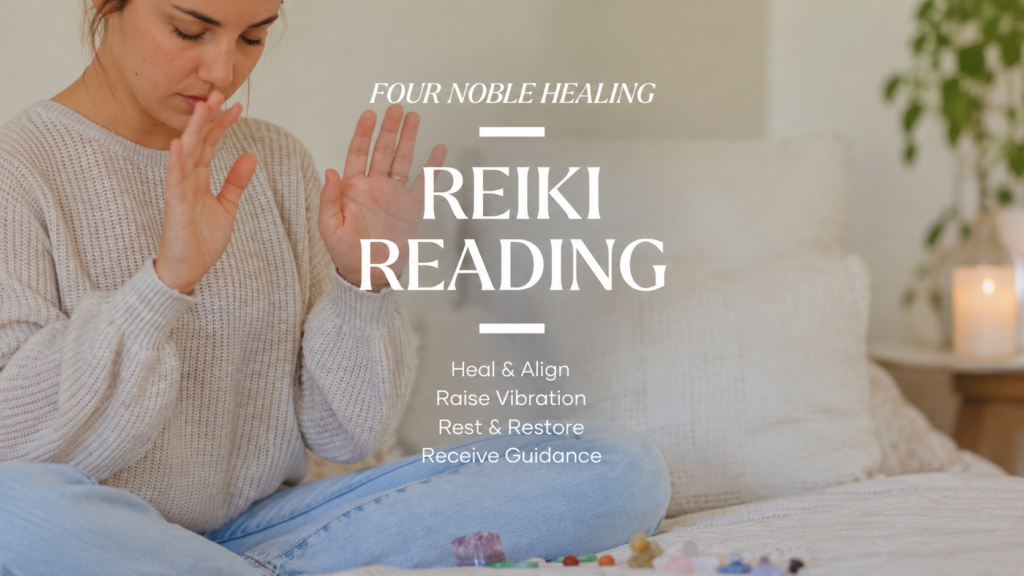
You may remain comfortably dressed while sitting or lying down. The practitioner may use light hand placements on particular areas or position their hands slightly above the body.
The session may be quiet, allowing you to focus inward.
Some people may feel relaxed or sleepy. Others may simply appreciate the opportunity to be still.
There is no need to compare your session with somebody else’s experience.
Your response may also vary from one session to another.
Approaching Reiki without pressure to experience something specific can make the process feel more comfortable and personal.
Building a Sustainable Self-Care Practice
Self-care tends to be more sustainable when it fits naturally into your lifestyle.
Instead of waiting until you feel completely overwhelmed, consider creating small regular moments of personal time.
You could dedicate a few minutes each morning to breathing exercises, keep a gratitude journal, establish a screen-free period before bed, or schedule a wellness session at regular intervals.
Reiki can fit into this routine as one of several complementary practices.
The objective is not to create another responsibility. It is to create opportunities to step away from constant responsibility.
Listening to What You Need
One of the most valuable aspects of personal wellness is learning to recognize your own needs.
Do you need rest?
Do you need quiet?
Do you need connection?
Do you need boundaries?
Do you need someone to talk to?
Do you need professional support?
There is no universal answer.
Reiki can offer a quiet setting in which you can begin reflecting on these questions without the pressure of immediately finding a solution.
That reflective space can be meaningful, particularly for women who spend much of their lives focusing on other people.
Reiki Is a Complementary Wellness Practice
It is important to understand Reiki within the appropriate context.
Reiki should be considered a complementary wellness practice rather than a replacement for medical treatment, diagnosis, psychotherapy, or other professional healthcare.
If you are experiencing persistent physical symptoms, significant emotional distress, or a medical condition, speak with a qualified healthcare professional.
Reiki can be incorporated into a wider approach to wellbeing when it is personally meaningful to you.
Making Time for Your Inner Wellbeing
A woman’s wellbeing is not something that should only receive attention after everything else has been completed.
There will always be another task, another message, another meeting, or another responsibility.
Creating intentional time for yourself can therefore be a meaningful act of self-care.
Reiki healing for women offers one gentle way to step away from the noise of everyday life and create room for relaxation, reflection, and personal connection.
You do not need to change everything at once.
Start with one small moment.
Take a breath.
Slow down.
Listen to yourself.
And give yourself permission to make your own wellbeing part of the journey.
Begin Your Inner Wellness Journey
At Inner Wisdom Light, our approach to wellbeing focuses on creating supportive spaces for personal growth, reflection, and holistic wellness.
Explore more about Reiki, healing practices, and our available services at Inner Wisdom Light.
Important Note: Reiki is a complementary wellness practice and should not replace medical diagnosis, treatment, psychotherapy, or other professional healthcare. Seek appropriate professional advice for health concerns.
For a balanced understanding of Reiki, you can also explore the National Center for Complementary and Integrative Health (NCCIH) guide to Reiki, which explains how this complementary health practice is used and what current research says about it.